





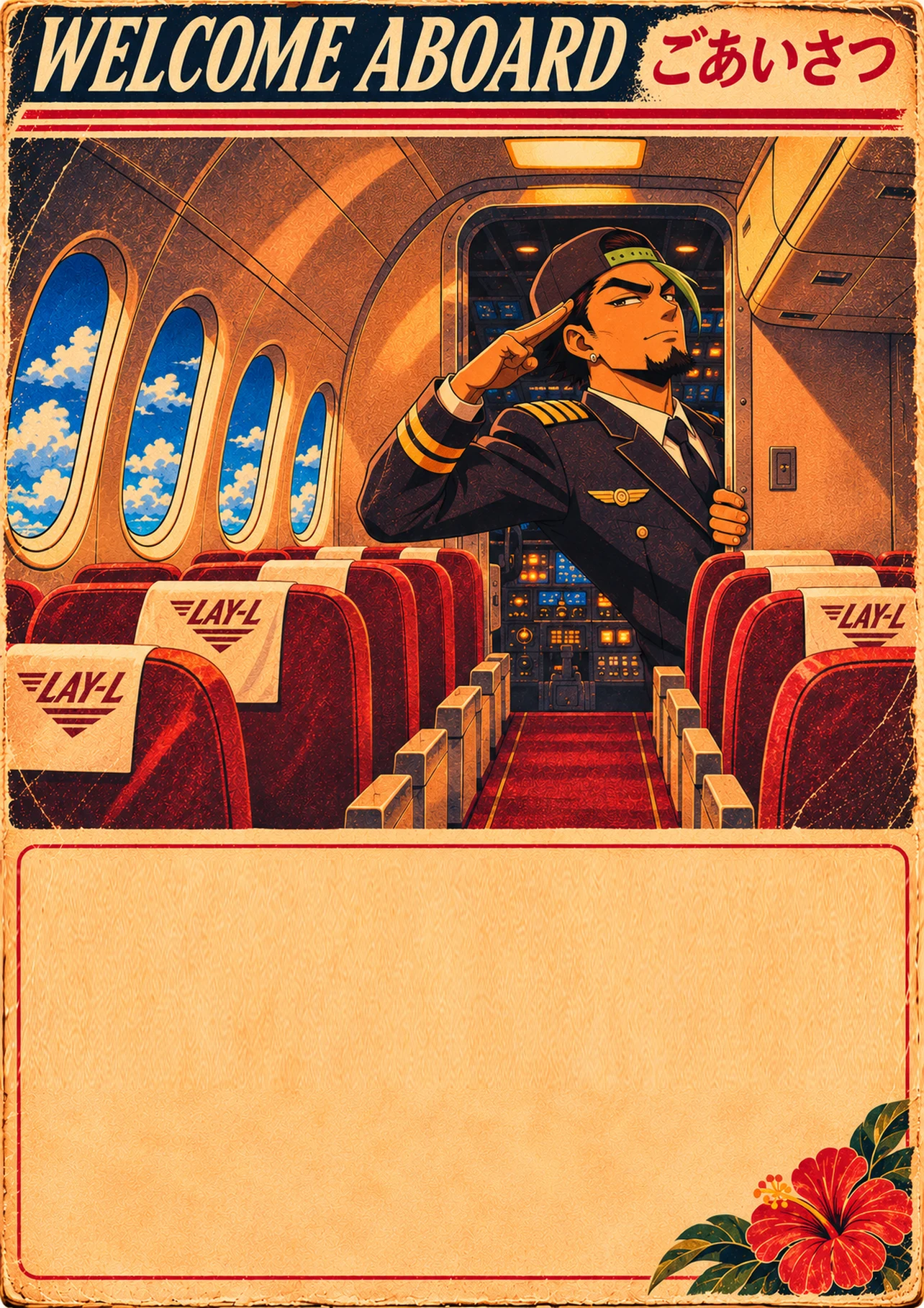
Okinawa.. One Way… is a journey through Japan as seen through film, music and pop culture: a run of imaginary film soundtracks, each from a different decade and genre, all sharing one cinematic universe.
『沖縄…片道…』は、映画・音楽・ポップカルチャーを通して見た日本を旅するアルバム。年代もジャンルも異なる「架空の映画のサウンドトラック」たちが、ひとつのシネマティックな世界を共有する。
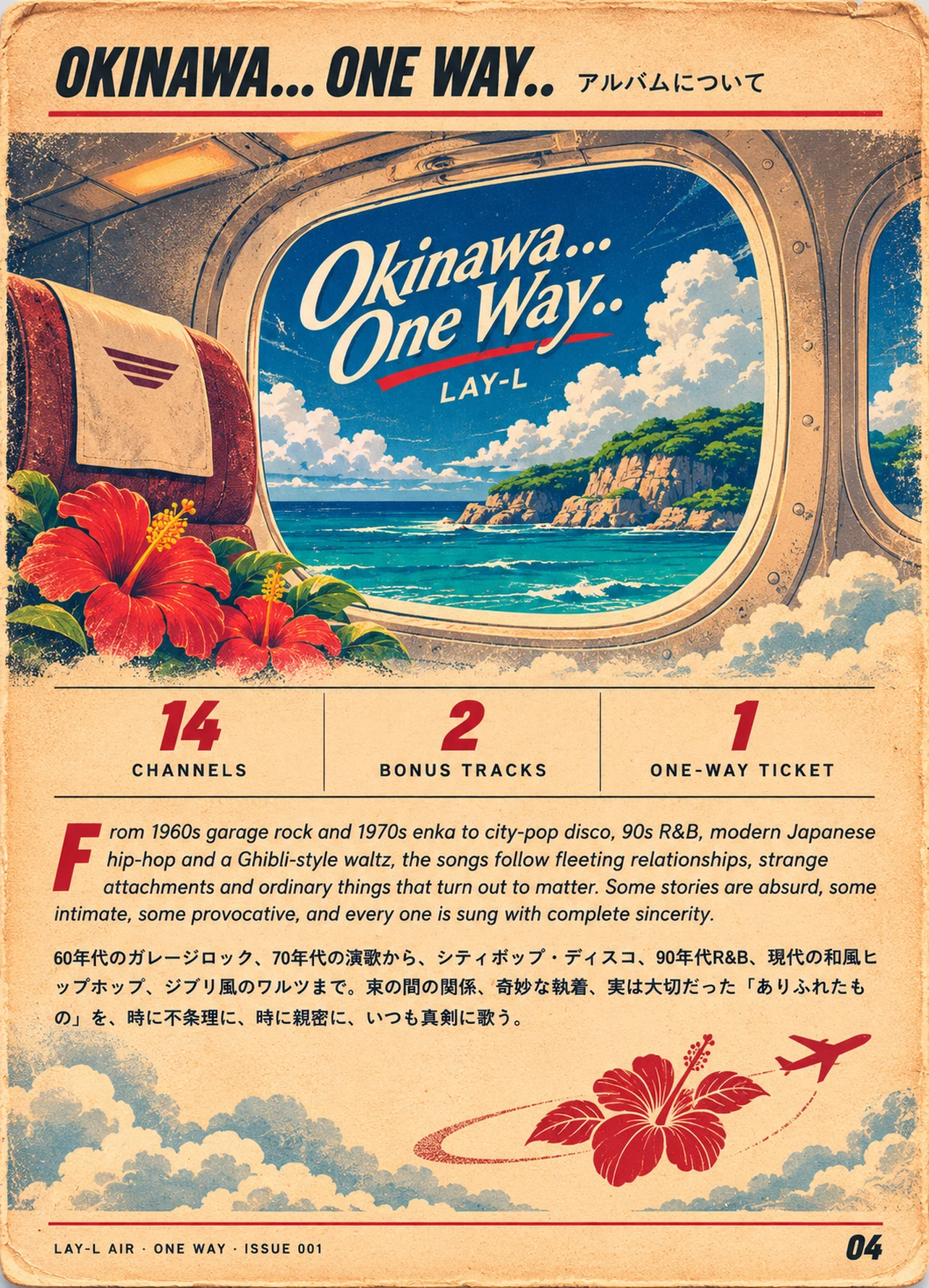
From 1960s garage rock and 1970s enka to city-pop disco, 90s R&B, modern Japanese hip-hop and a Ghibli-style waltz, the songs follow fleeting relationships, strange attachments and ordinary things that turn out to matter. Some stories are absurd, some intimate, some provocative, and every one is sung with complete sincerity.
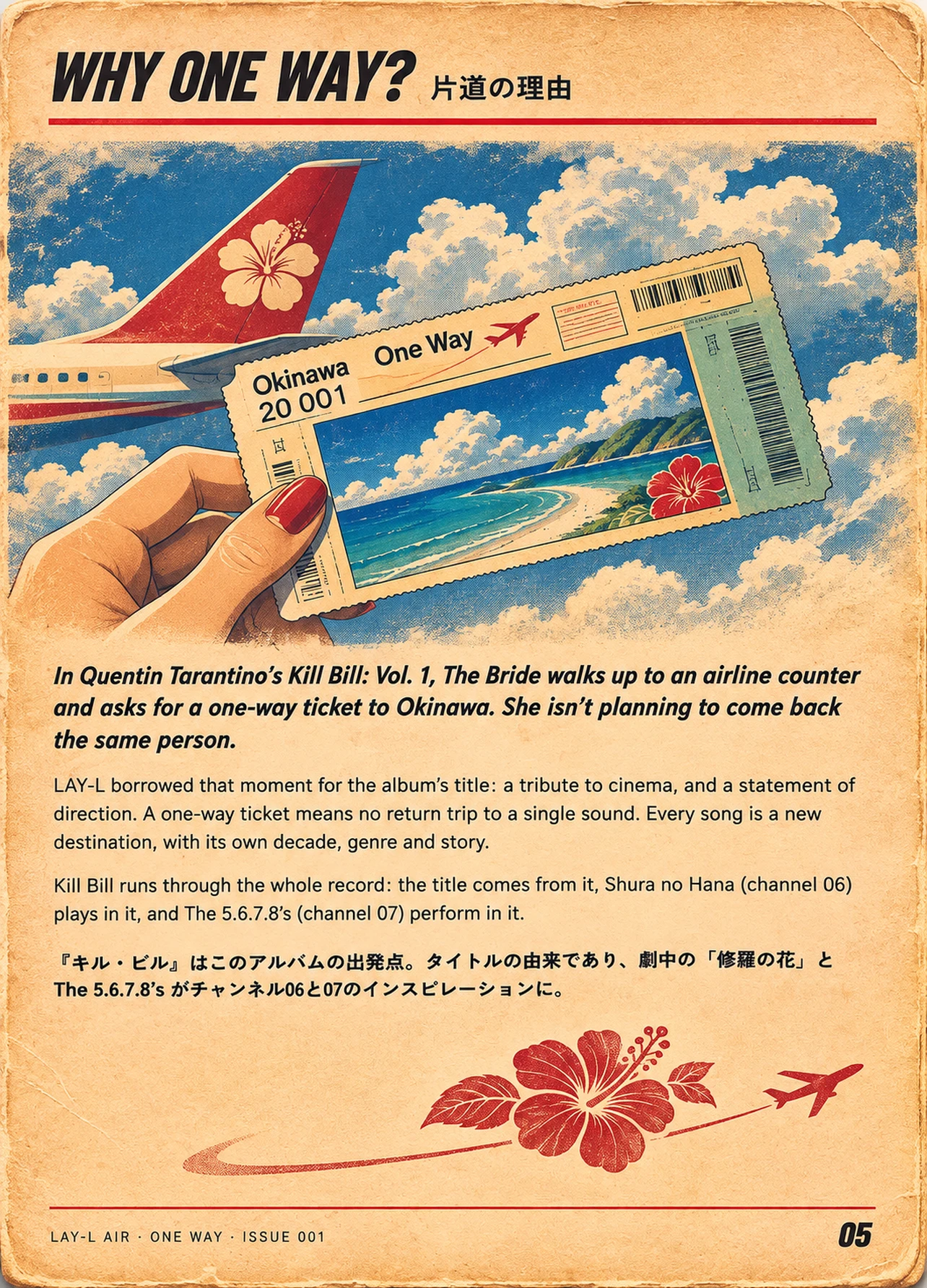
In Quentin Tarantino’s Kill Bill: Vol. 1, The Bride walks up to an airline counter and asks for a one-way ticket to Okinawa. She isn’t planning to come back the same person.
LAY-L borrowed that moment for the album’s title: a tribute to cinema, and a statement of direction. A one-way ticket means no return trip to a single sound. Every song is a new destination, with its own decade, genre and story.
Kill Bill runs through the whole record: the title comes from it, Shura no Hana (channel 06) plays in it, and The 5.6.7.8’s (channel 07) perform in it.
This isn’t an album trying to sound “traditionally Japanese”. It’s Japan as most of us actually meet it: through films, records, anime, toys and late-night internet rabbit holes.
Each song is the soundtrack to a film that doesn’t exist. Different stories, different eras, one shared cinematic universe.
The narrators grieve what nobody else would: a recorded voice, a plastic flower, a half-heard song. The absurd is treated with complete sincerity.
The one-way ticket is permission to travel from 1960s garage rock to a Ghibli waltz without ever explaining yourself, and without going back.
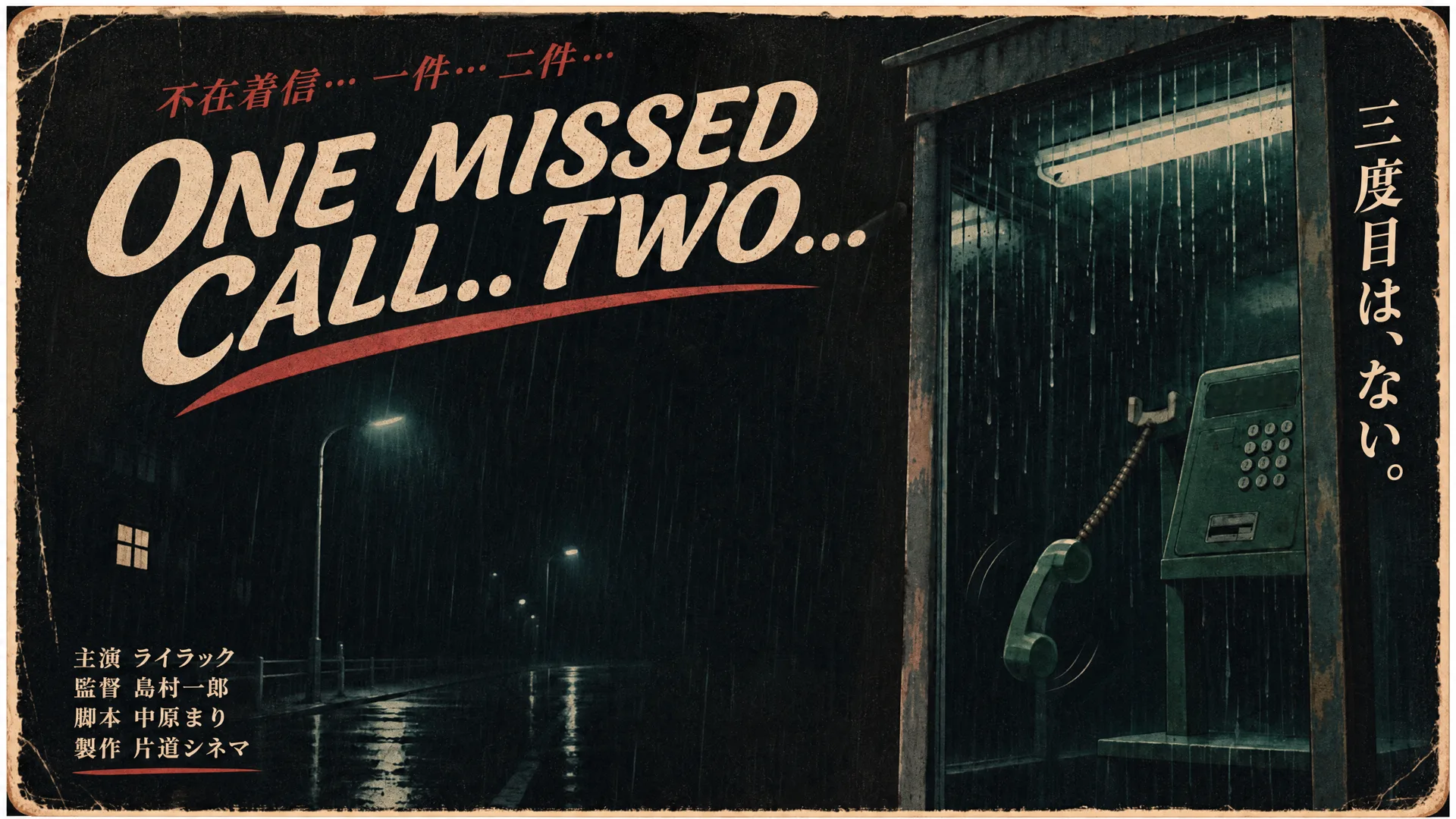 ONE MISSED CALL.. TWO…不在着信…2件…2:04
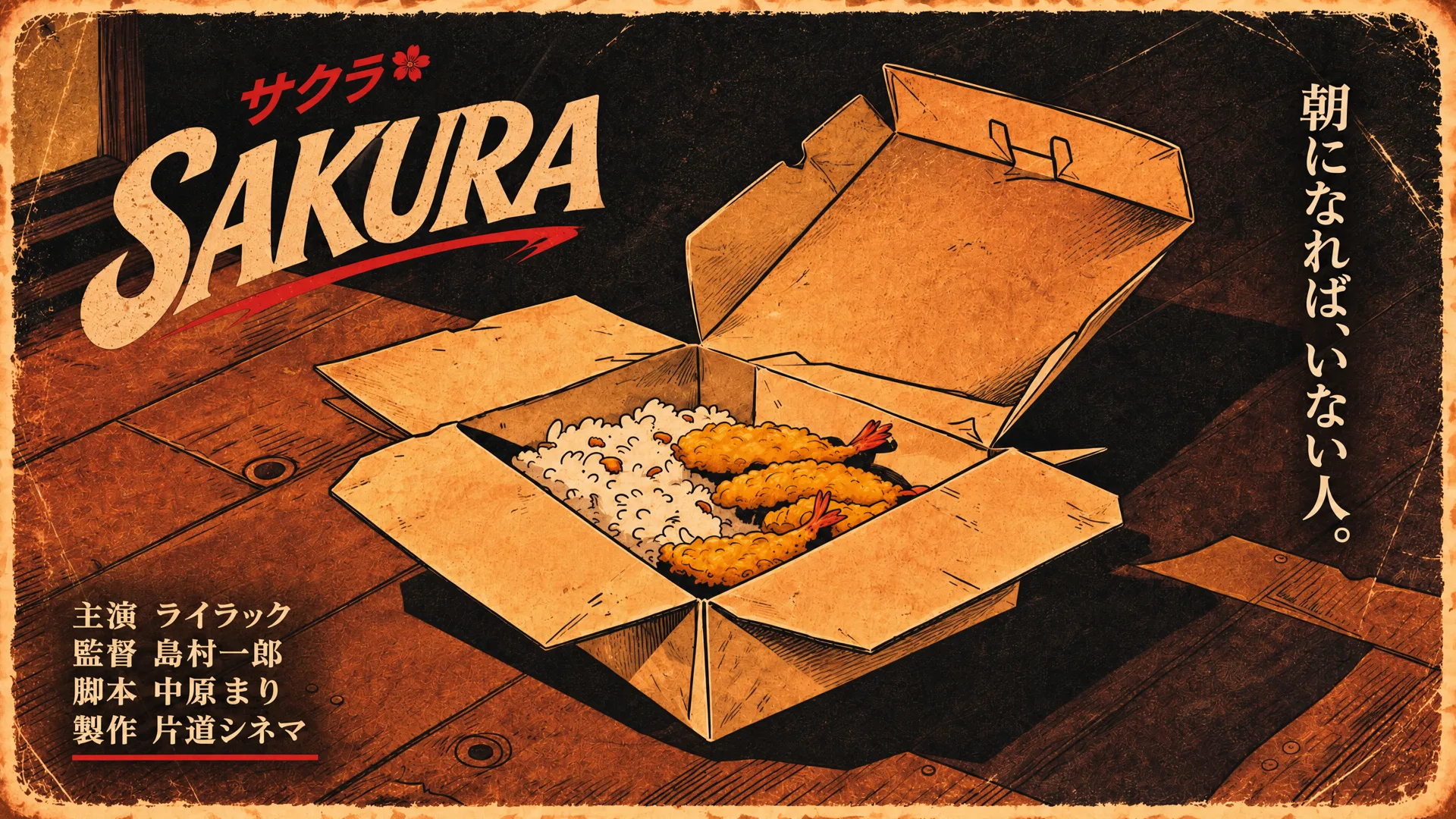 SAKURA桜4:09
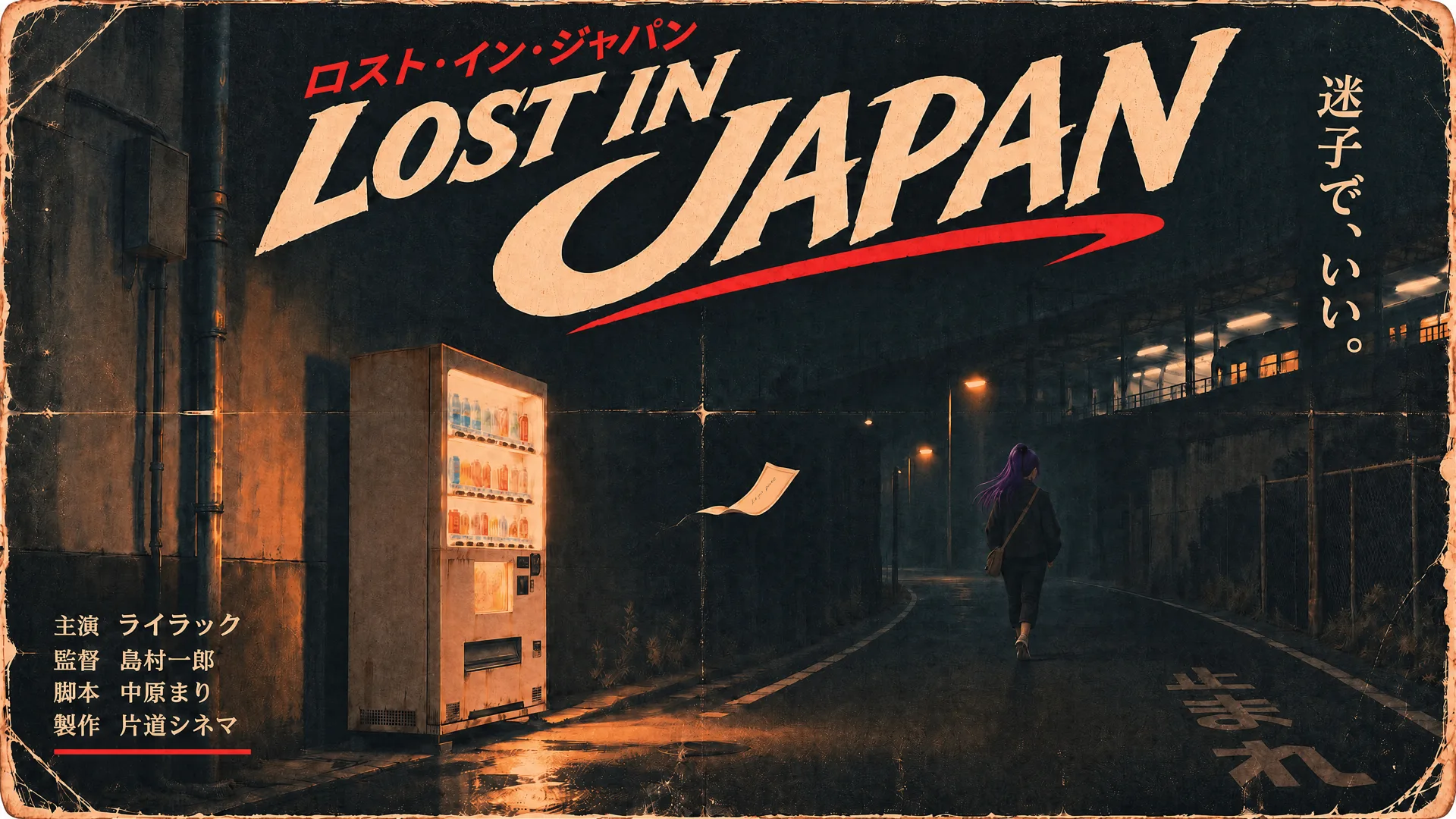 LOST IN JAPAN日本で迷子3:25
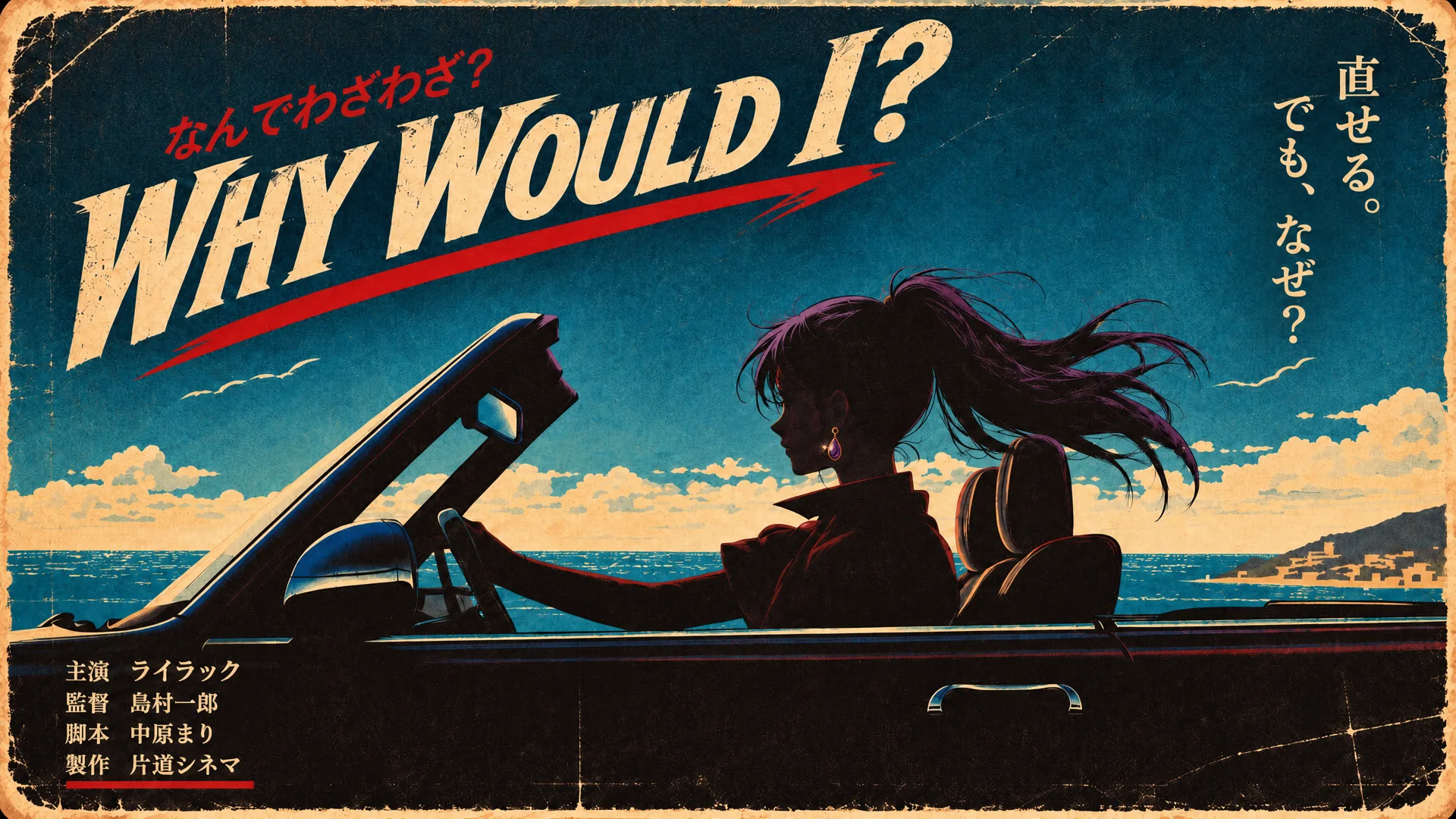 WHY WOULD I?なぜ、私が?3:43
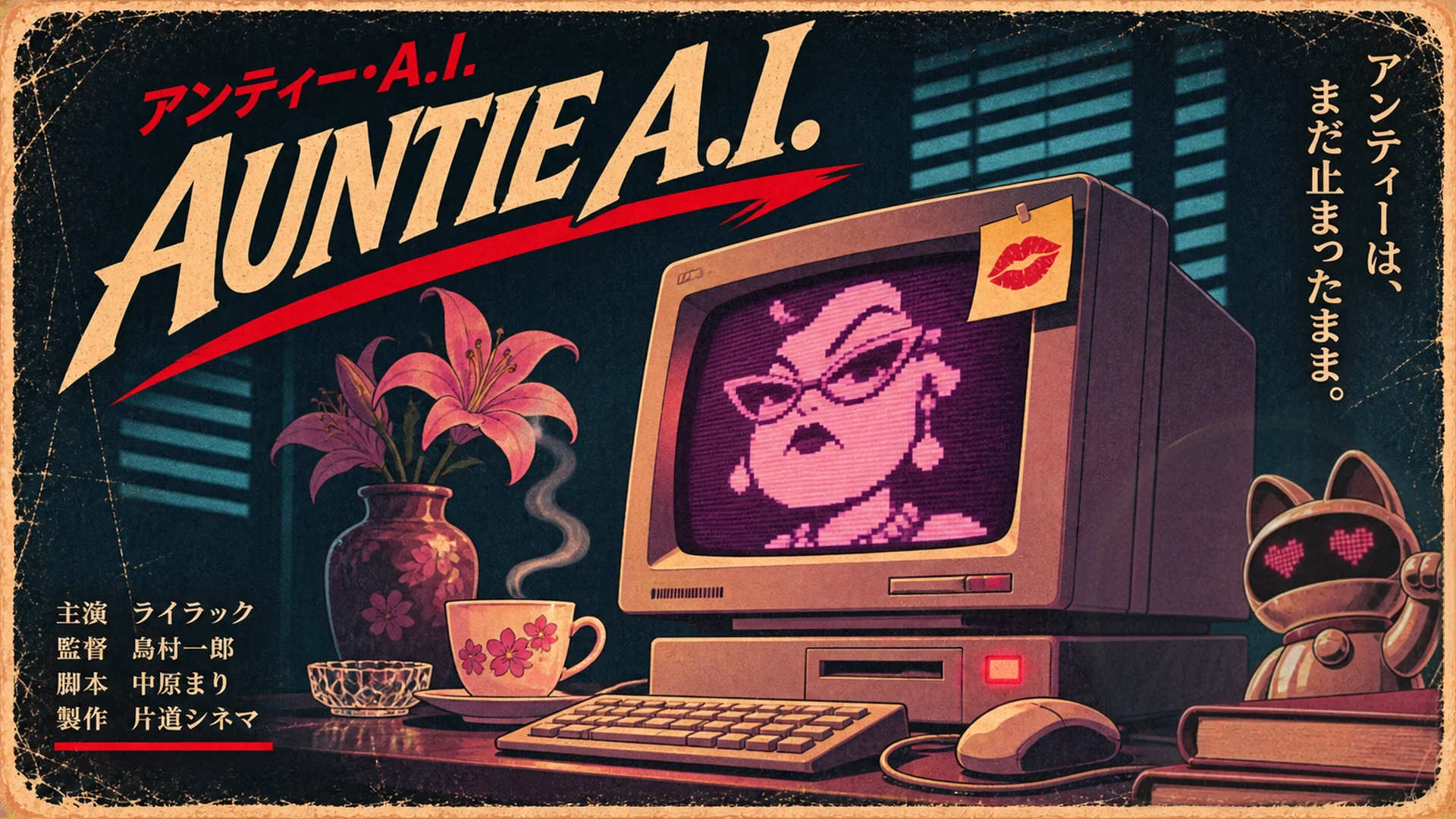 AUNTIE A.I.アンティー・A.I.4:04
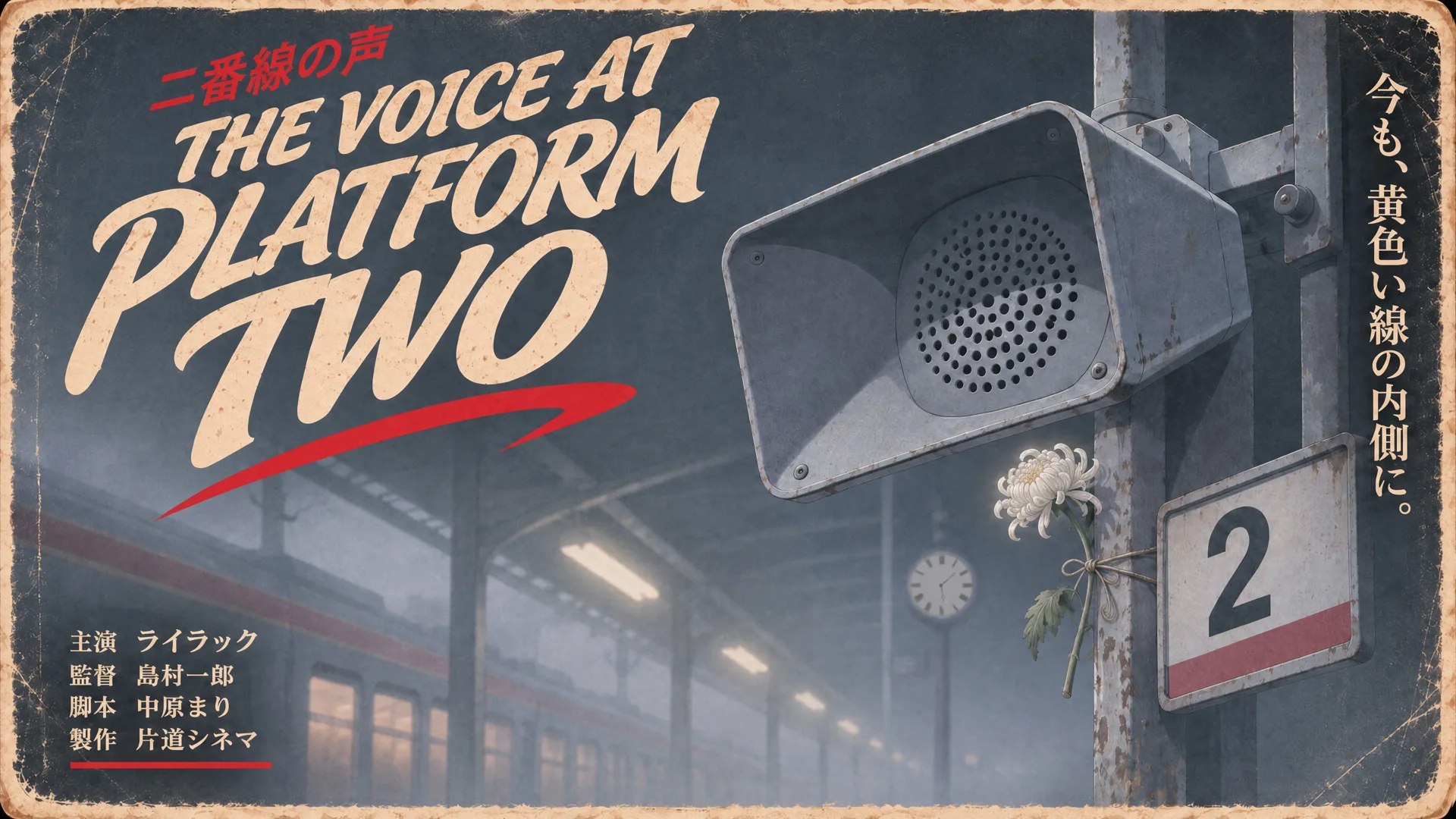 THE VOICE AT PLATFORM TWO二番線の声4:43
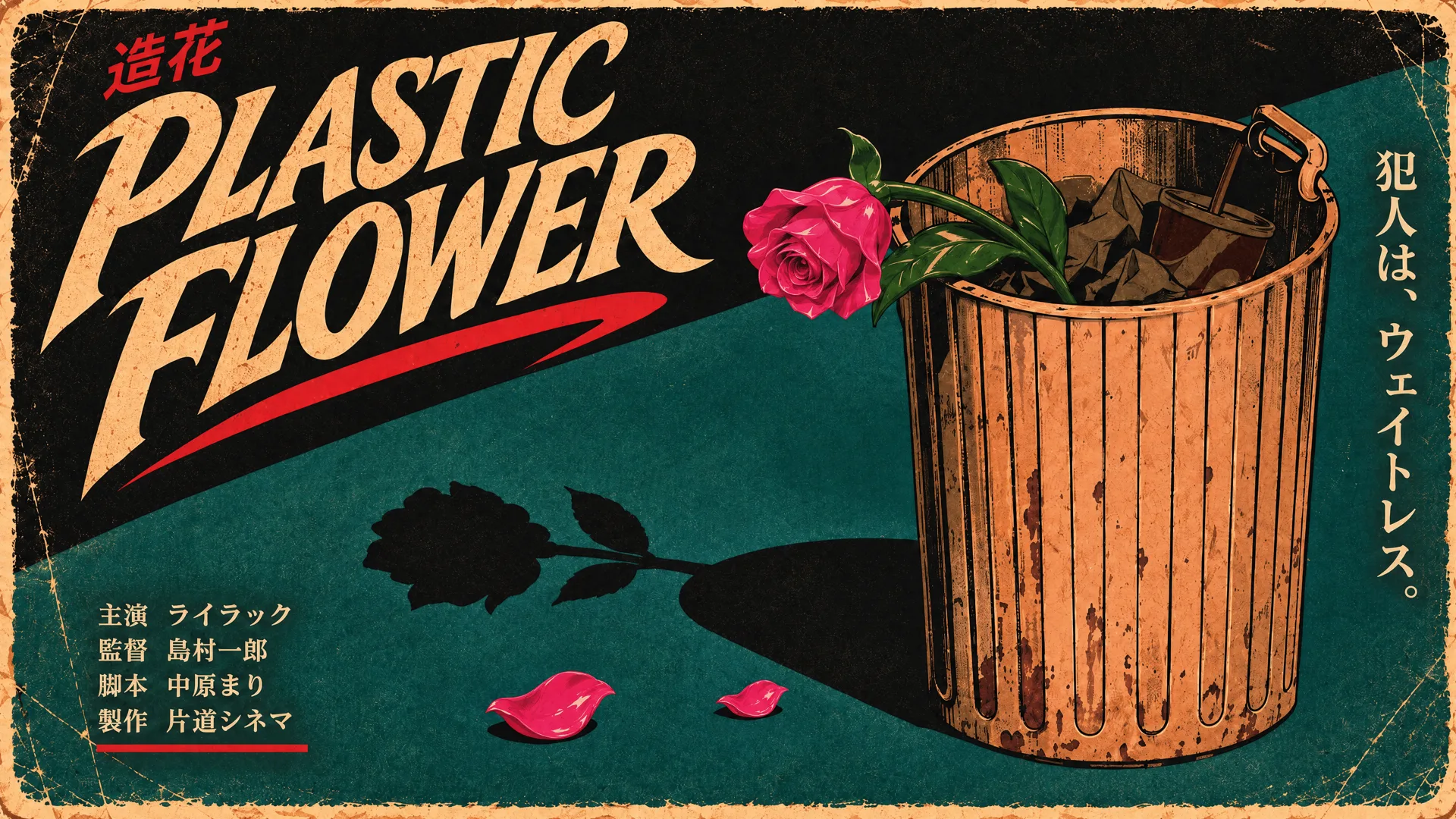 PLASTIC FLOWERプラスチック・フラワー3:12
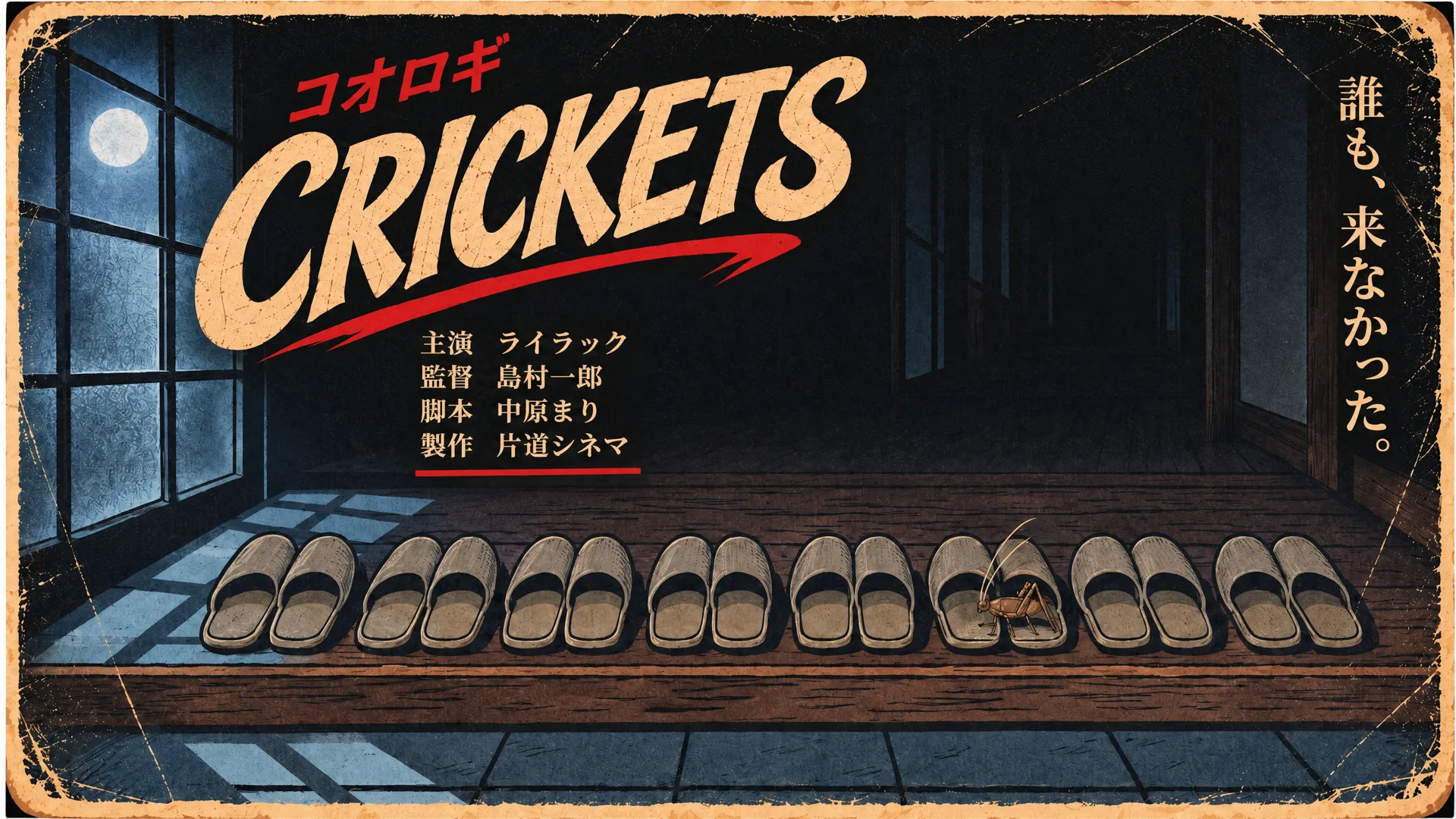 CRICKETSコオロギ3:03
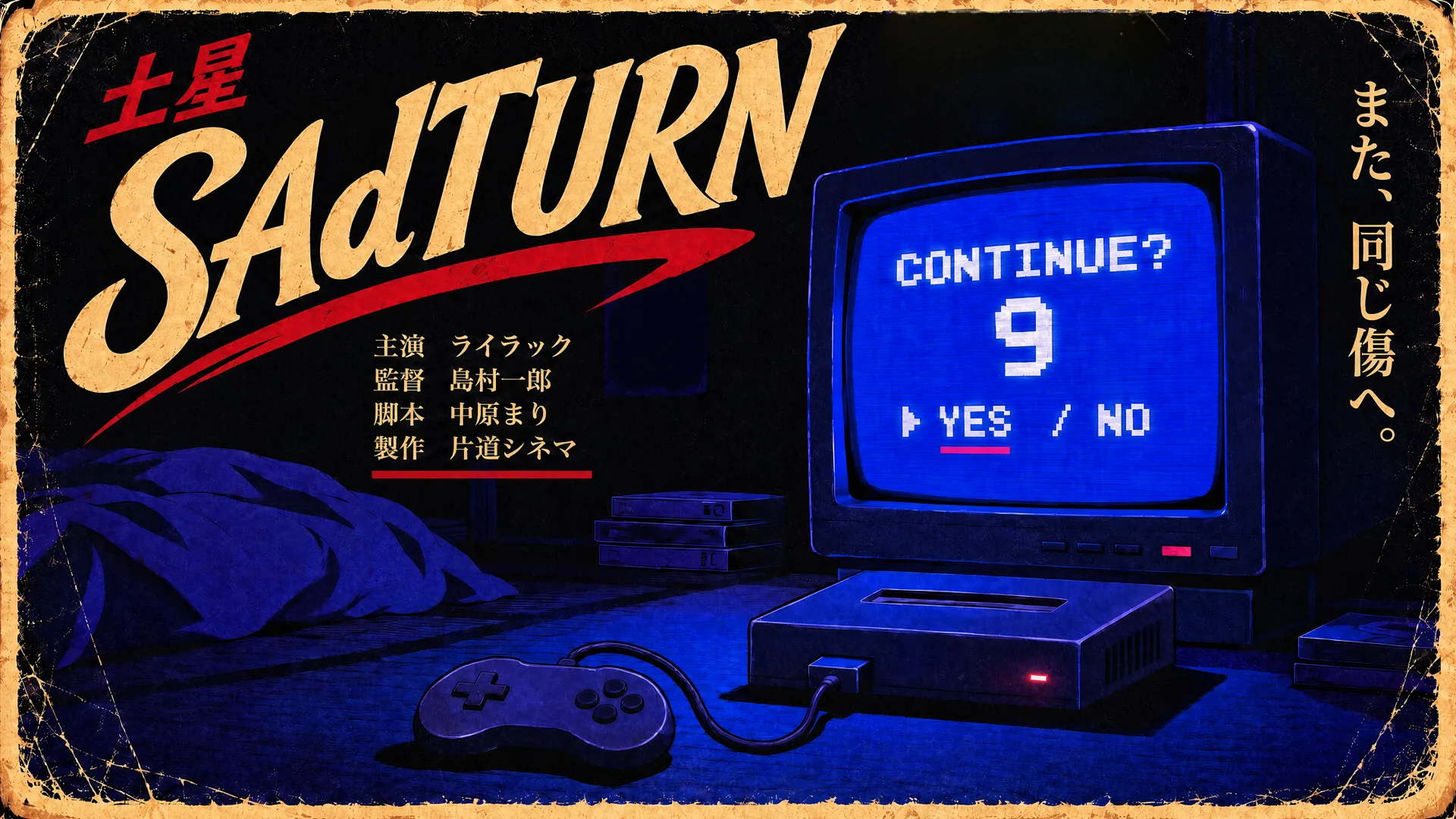 SADTURN土星4:03
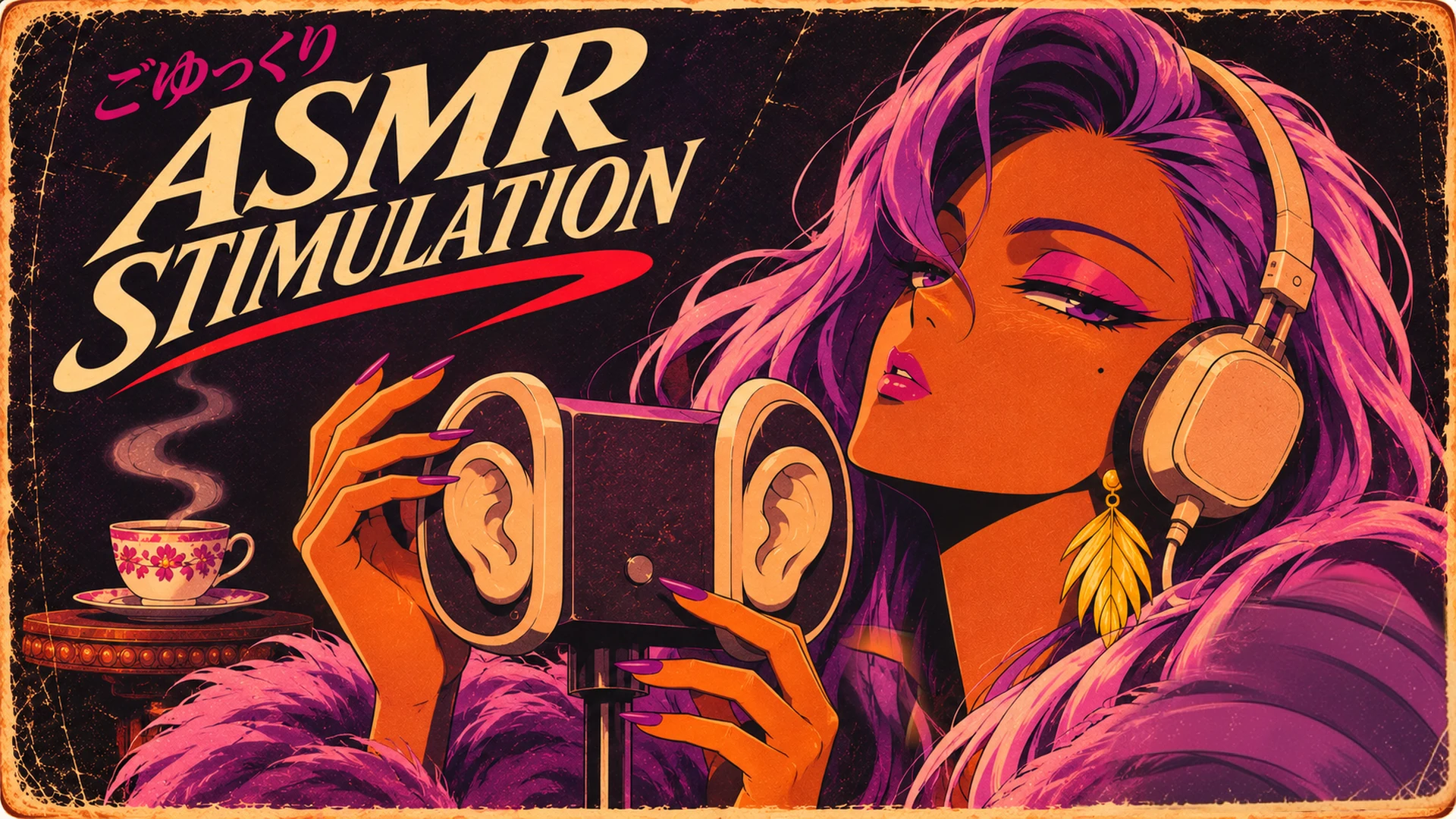 ASMR STIMULATIONASMR・スティミュレーション3:20
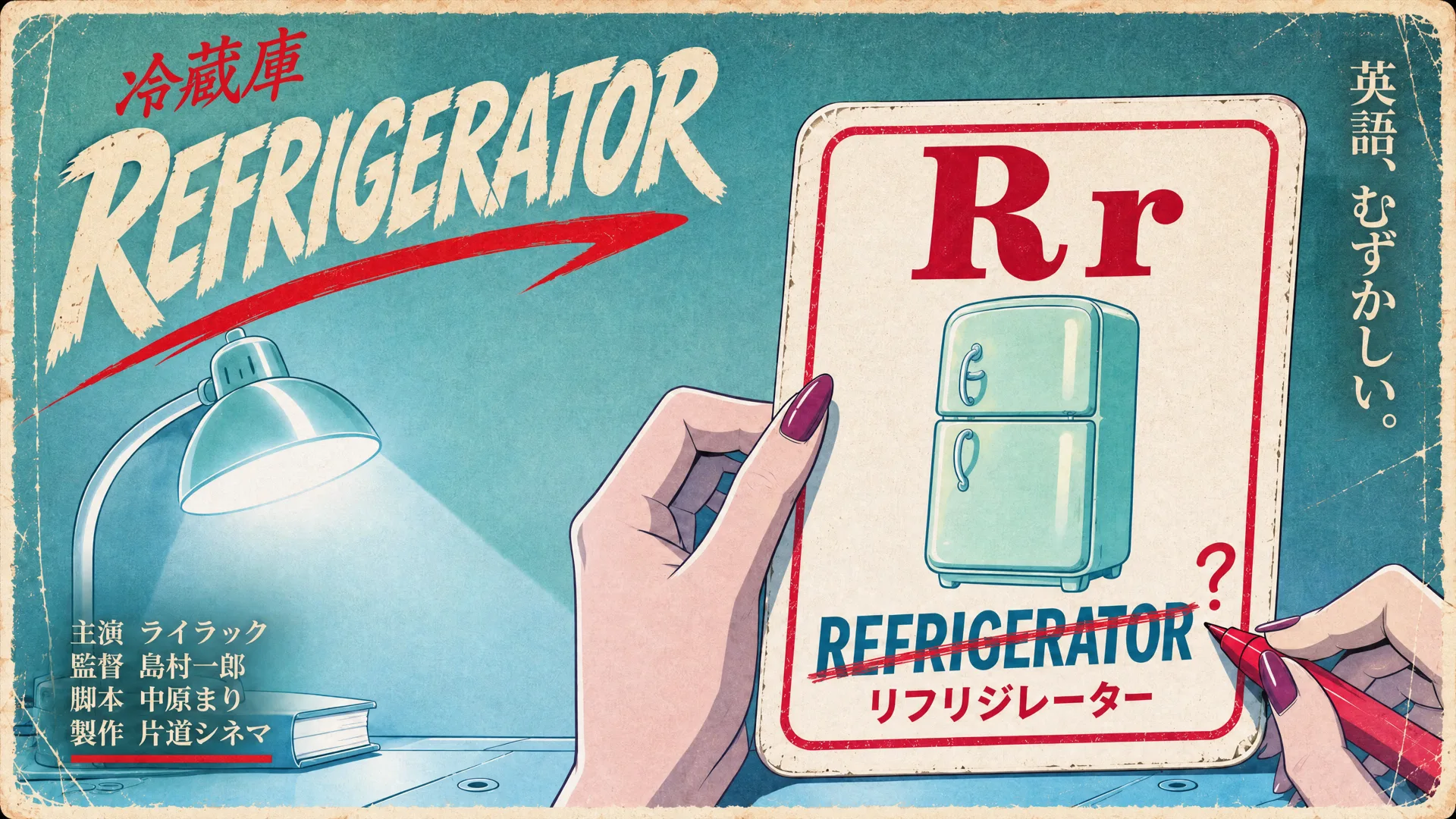 REFRIGERATOR冷蔵庫3:03
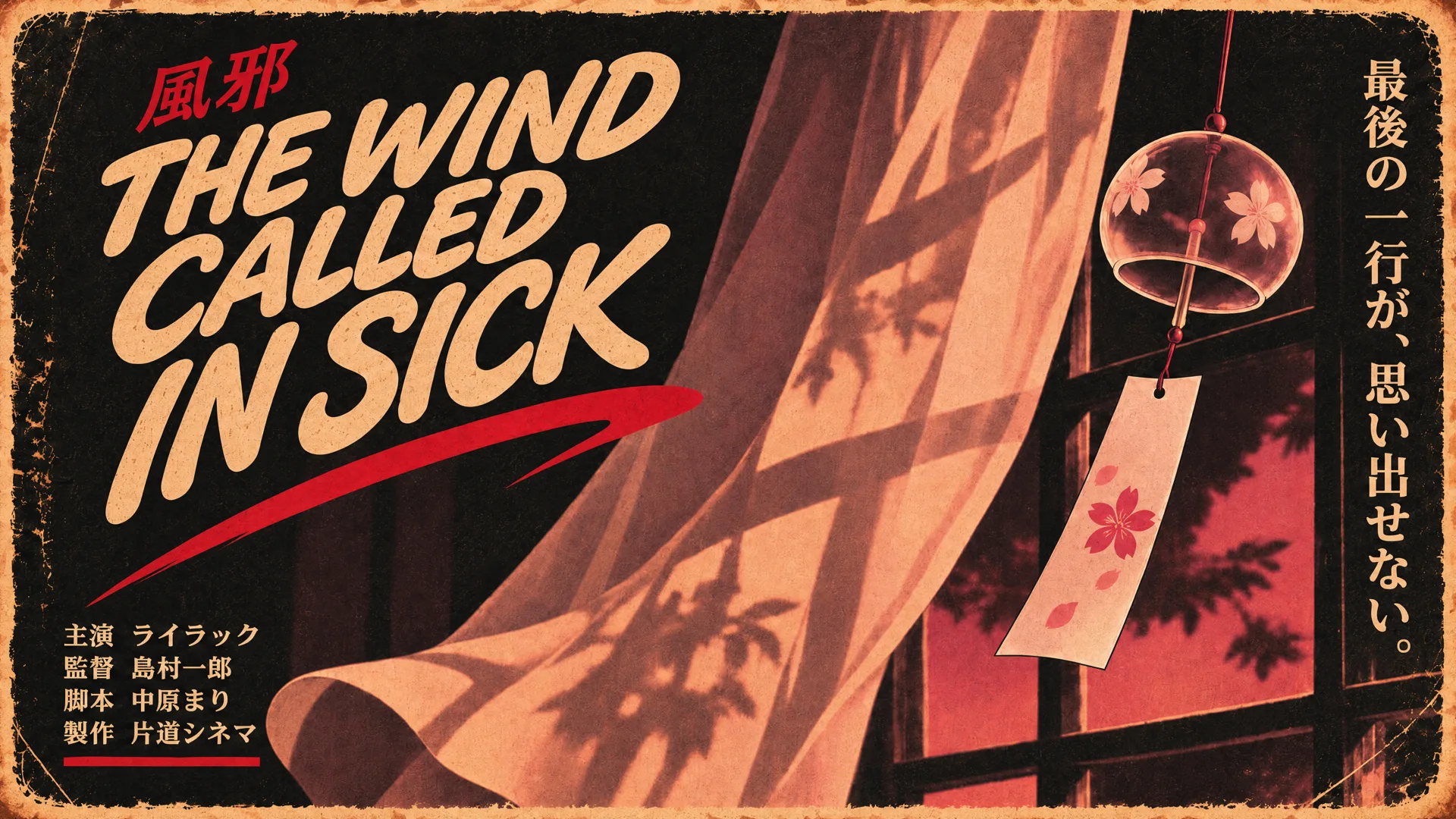 THE WIND CALLED IN SICK風が病欠した日3:09
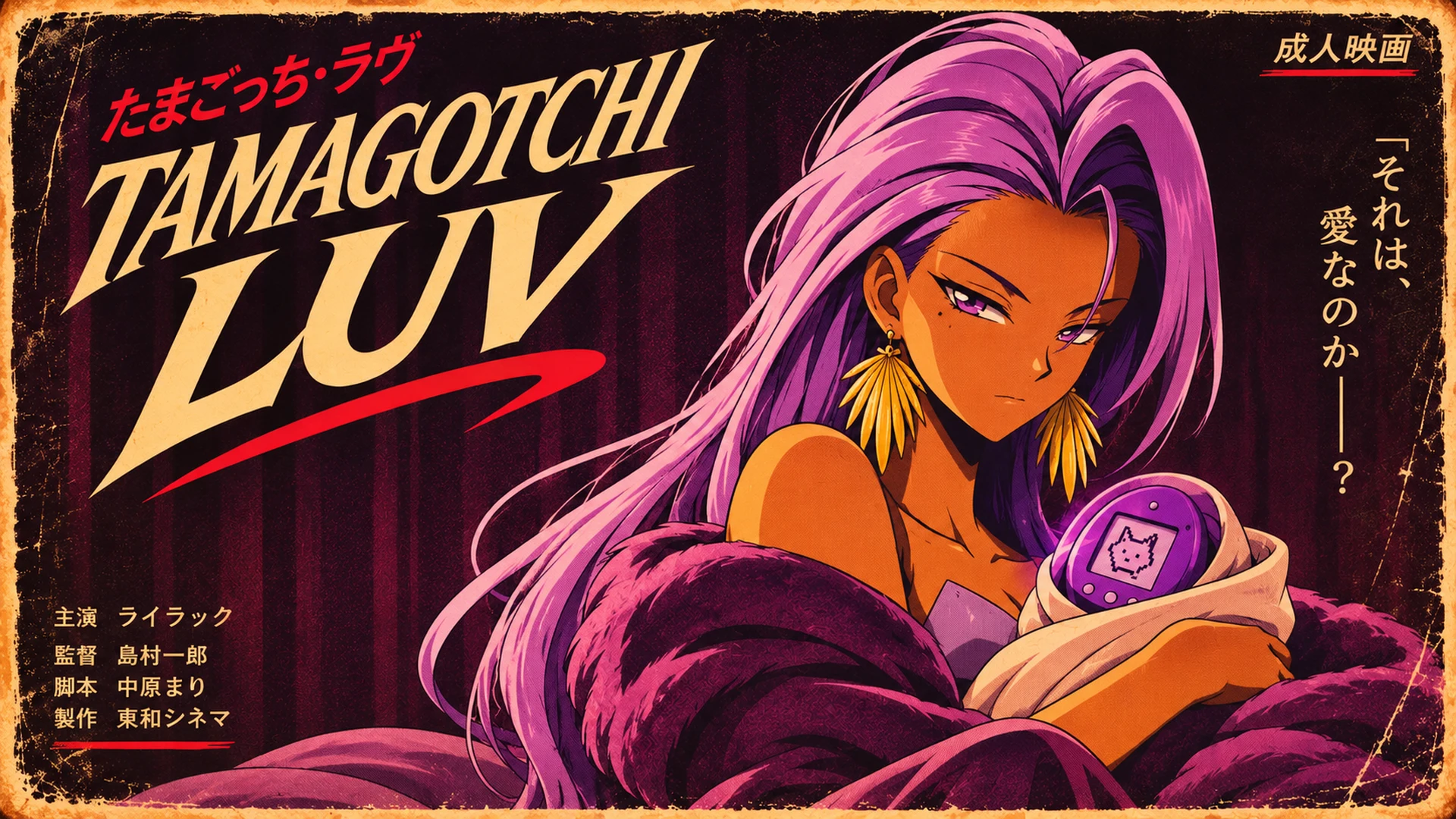 TAMAGOTCHI LUVたまごっち・ラヴ4:06
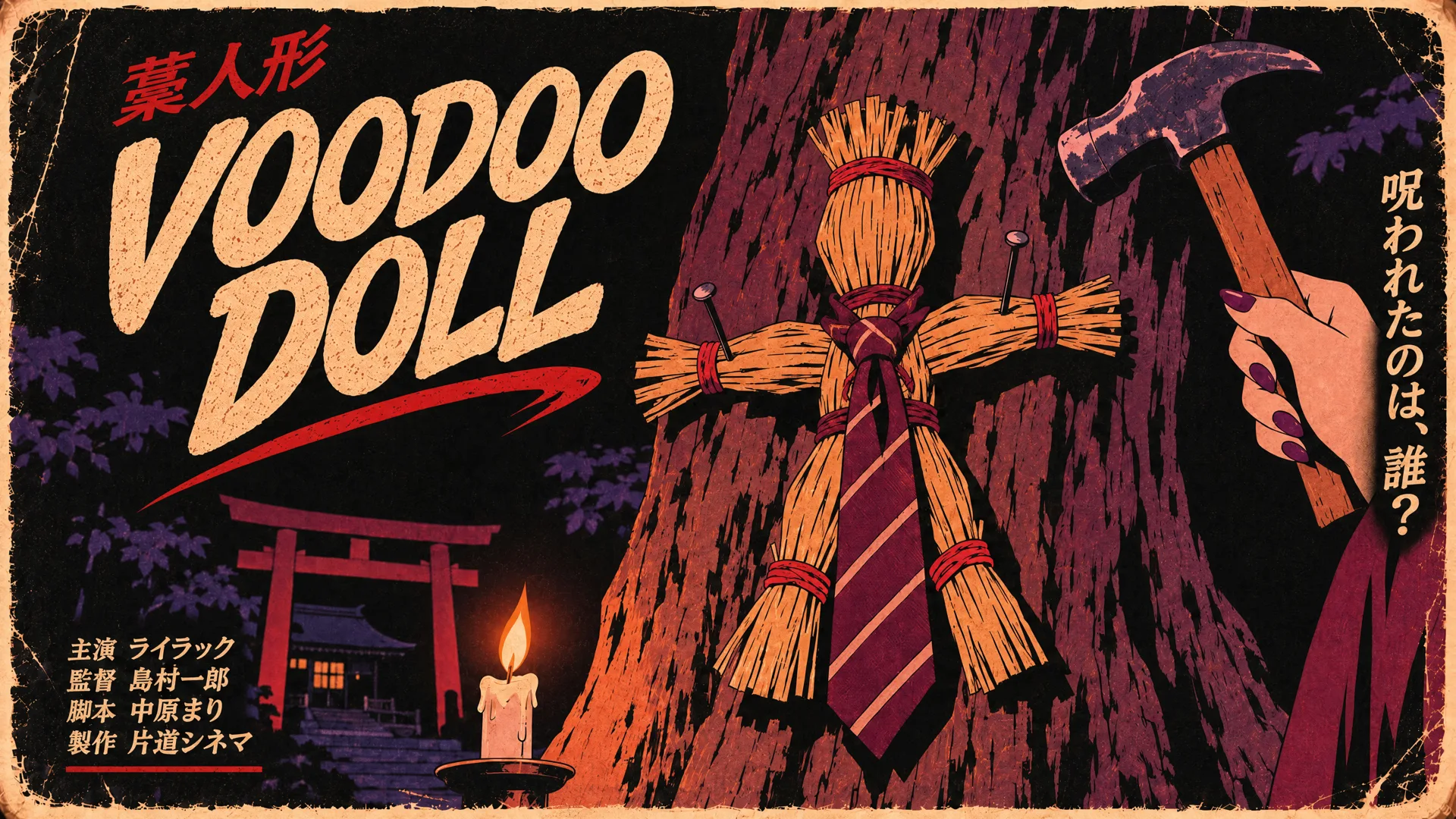 VOODOO DOLL藁人形4:13
三度目は、ない。
There won’t be a third.

“Tick-tock, running late / You still don’t know how to play the game”
Someone keeps calling, convinced persistence will earn a reply. It won’t. As the missed calls pile up, a would-be confrontation turns into a gleeful display of indifference: the joy of refusing to take part in someone else’s drama.
JAPAN 日本A hypnotic three-note shamisen riff over bass-heavy club rap, and a title that echoes Takashi Miike’s 2003 J-horror One Missed Call (着信アリ).
Play channel 01 · 2:04朝になれば、
いない人。
Someone who’s gone by morning.

“Cold rice and tempura / You were talking through the morning”
Someone keeps turning up, making themselves at home, then leaving without a word. She knows they’re unreliable, yet what she misses isn’t the relationship. It’s the small things: sitting on the floor, cold rice and tempura, talking about nothing until morning.
JAPAN 日本Sakura (桜), the cherry blossom and Japan’s best-known symbol, plus tempura and everyday intimacy, set to late-90s neo-soul.
Play channel 02 · 4:09迷子で、いい。
It’s fine to be lost.
“Funny how a city you’ve never seen / Can feel familiar on the first night”
A trip through Japan turns unexpectedly emotional. Matcha from a vending machine, the wrong train, a paper fortune carried off by the breeze: every new detail brings back someone who isn’t there. Hushed verses burst into huge gospel choruses.
JAPAN 日本The album’s most explicit link to Japan: Shibuya, train stations and vending machines, with a harmonising shamisen beneath the choir.
Play channel 03 · 3:25直せる。でも、
なぜ?
I could fix it. But why?
“There’s a little difference / Between what I can and what I choose”
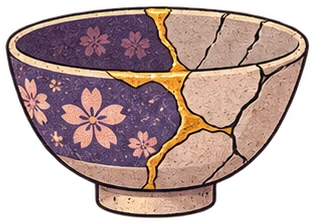
She could fix it. She could compromise, try again, make it work. Instead she asks a simpler question: why would I? No confrontation and no tears, just a disco groove and the easy confidence of choosing not to.
JAPAN 日本Rooted in the golden age of Japanese city pop, the era of Miki Matsubara’s 1979 classic Mayonaka no Door (Stay With Me).
Play channel 04 · 3:43“It can’t steal a soul that was never supplied / The vision is human the machine just replies”
アンティーは、
まだ止まったまま。
Auntie is still stuck in time.

Every new tool gets called cheating: the camera, the synthesizer, spell check, auto-tune. This is a strutting reply to everyone still yelling from the hill. A tool can’t tell you what your vision means, and tomorrow arrives either way.
JAPAN 日本Built on 1980s Japanese technopop, from the years when the synthesizer was called the death of real music, right before it became the sound of Tokyo.
Play channel 05 · 4:04今も、
黄色い線の内側に。
Still standing behind the yellow line.

“I watched a woman disappear / Who’d never lived at all”
Every morning the same recorded voice asks passengers to stand behind the yellow line. One Tuesday it’s replaced. The trains still run on time and nobody notices, except her. A routine software update becomes a quiet, genuine tragedy.
JAPAN 日本Inspired by Meiko Kaji’s Shura no Hana, theme of the 1973 film Lady Snowblood, later used by Tarantino in Kill Bill: Vol. 1.
Play channel 06 · 4:43犯人は、
ウェイトレス。
The culprit: the waitress.

“Who gave you permission to die? / You weren’t even alive!”
A waitress throws away her favourite fake rose. Everyone says it’s replaceable; it was never alive. She buys an identical one, but it stands up much too straight. A trivial loss blown up into a shouted, fuzz-drenched catastrophe.
JAPAN 日本Channels The 5.6.7.8’s, the Tokyo garage-rock band who play the House of Blue Leaves scene in Kill Bill: Vol. 1.
Play channel 07 · 3:12誰も、来なかった。
Nobody came.
“I thought we were losing touch / Turns out I was the touch”
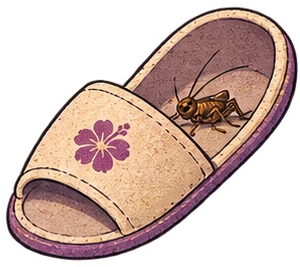
She was always the first call and the last to leave. So she went quiet, just to see who would come looking. Nobody did. Crickets is the sound of a one-sided friendship exposed by its own silence, and the strange relief of no longer carrying it alone.
JAPAN 日本In Japan, the song of autumn insects is something people stop to listen to. Crickets were once kept in small bamboo cages for their voices. Here, that voice is the only one that answers.
Play channel 08 · 3:03“Must be a pattern / Return to Saturn, return to sad-turn”
また、同じ傷へ。
Back to the same wound.

Some people always reach for the songs that bruise: the minor keys, the endings they already know by heart. SAdTURN is about that loop, choosing the familiar ache over peace, and the question underneath it all: when will you learn?
JAPAN 日本The title folds three meanings into one word: sadness, the astrological “Saturn return”, and a nod to the 1990s Japanese game console that shared the planet’s name. The cover’s CONTINUE? screen asks the song’s question in arcade language.
Play channel 09 · 4:03急がないで。
Don’t hurry.

“Don’t get to the point / I prefer the scenic route”
An ordinary conversation becomes a seduction. Pauses, breaths, pronunciation and polite bureaucratic phrases take on double meanings, and the whole game is in the waiting. Clicks, whispers and binaural stereo make the sound itself the object of desire.
JAPAN 日本Drawn from Japan’s deep ASMR culture: mimikaki (耳かき), binaural recording and intimate “situation voice” (シチュエーションボイス) performances.
Play channel 10 · 3:20英語、むずかしい。
English is hard.

“You like winter, cold like refrigerator / My bag is alligator”
A jealous girlfriend, a cold boyfriend, and not quite enough English to say everything she feels, so she says it anyway. Refrigerator turns broken grammar into pure attitude: absurd, bouncy and completely sincere.
JAPAN 日本Anyone who learned English in Japan knows the flashcard: a picture, a word, and the katakana underneath to help you say it. リフリジレーター is a mouthful in any language, and the cover marks it wrong, with love.
Play channel 11 · 3:03“It comes to me in pieces / And leaves before it ends”
最後の一行が、
思い出せない。
I can’t remember the last line.
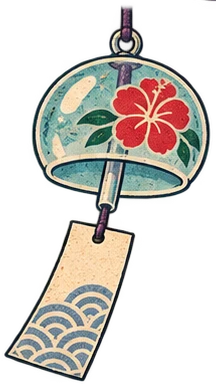
One afternoon the wind simply stops. In the stillness, a woman sings from an upstairs window and never reaches the last line. The melody stays half-remembered until, walking home, she sings the ending wrong. A small waltz about memory and the beauty of unfinished things.
JAPAN 日本Inspired by Joe Hisaishi’s Merry-Go-Round of Life from Studio Ghibli’s Howl’s Moving Castle.
Play channel 12 · 3:09それは、
愛なのか——?
Is that love—?
“You call it love but it’s luv with a u / You can’t call it love when it’s only you”
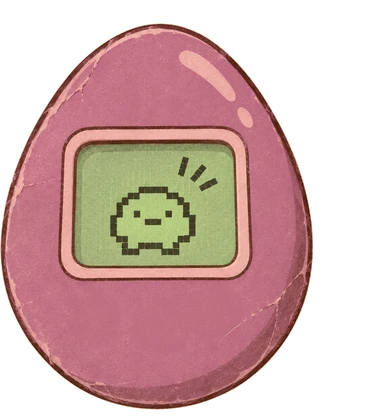
Love as a virtual pet: fed when it’s convenient, ignored when it isn’t, kept alive at a distance. A 90s toy’s innocence against the control games of adult relationships, and the question of whether you care for someone or just like being needed.
JAPAN 日本Built on Tamagotchi, the virtual pet Bandai launched in Japan in November 1996.
Play channel 13 · 4:06呪われたのは、誰?
Who’s the cursed one?

“Hocus pocus, can’t you see? / The only disappearing act is you leaving me”
He cheated; she’s a witch. Voodoo Doll is a theatrical revenge spell with a wink: the purse goes to a friend, the pin goes in the doll, and the only disappearing act left is him leaving.
JAPAN 日本Japan has its own curse doll: the wara ningyō, a straw figure nailed to a shrine tree at the hour of the ox, between 1 and 3 a.m. On the cover it wears a striped necktie, so there is no doubt who it is for.
Play channel 14 · 4:13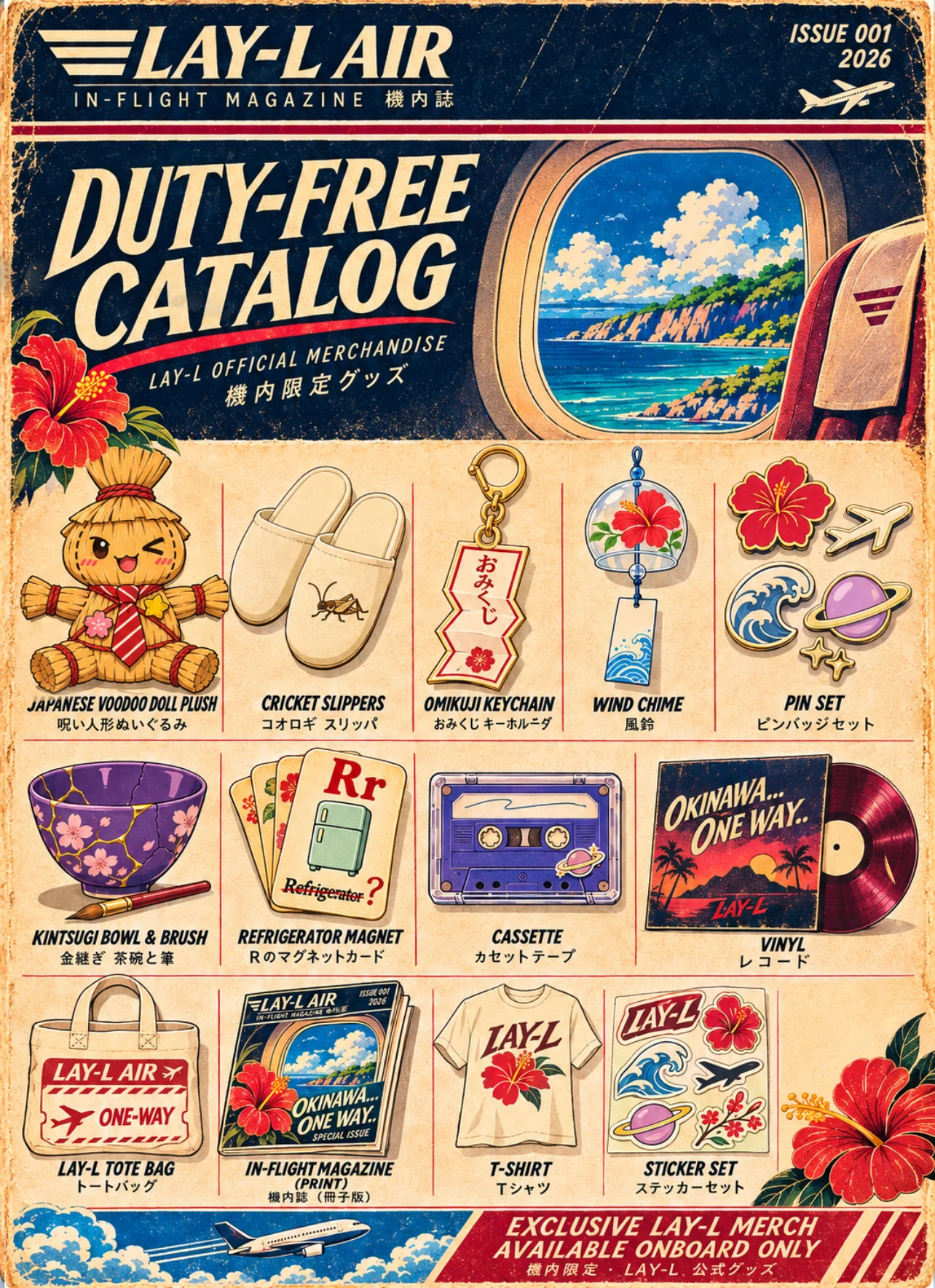 See the shop ▸︎
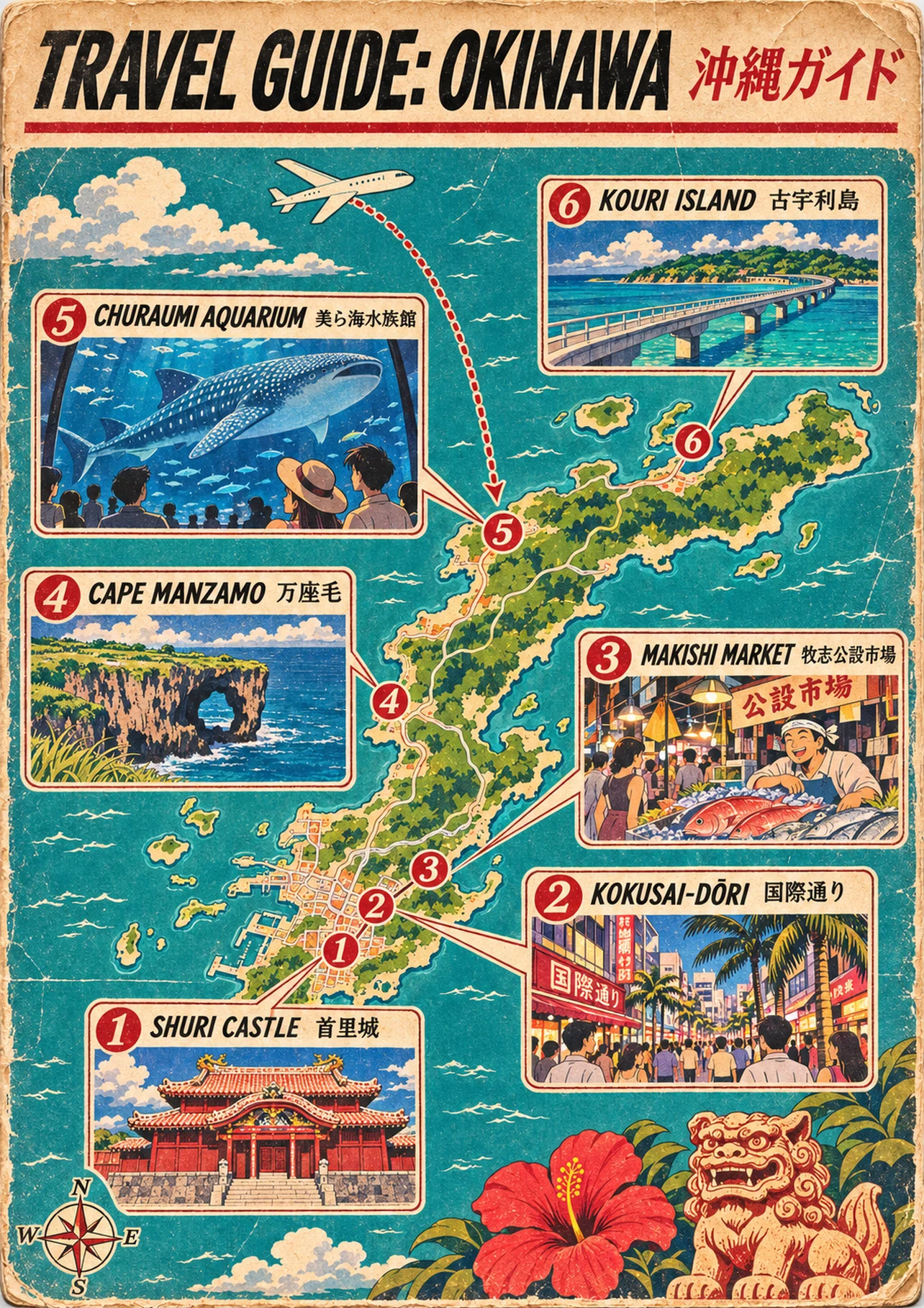
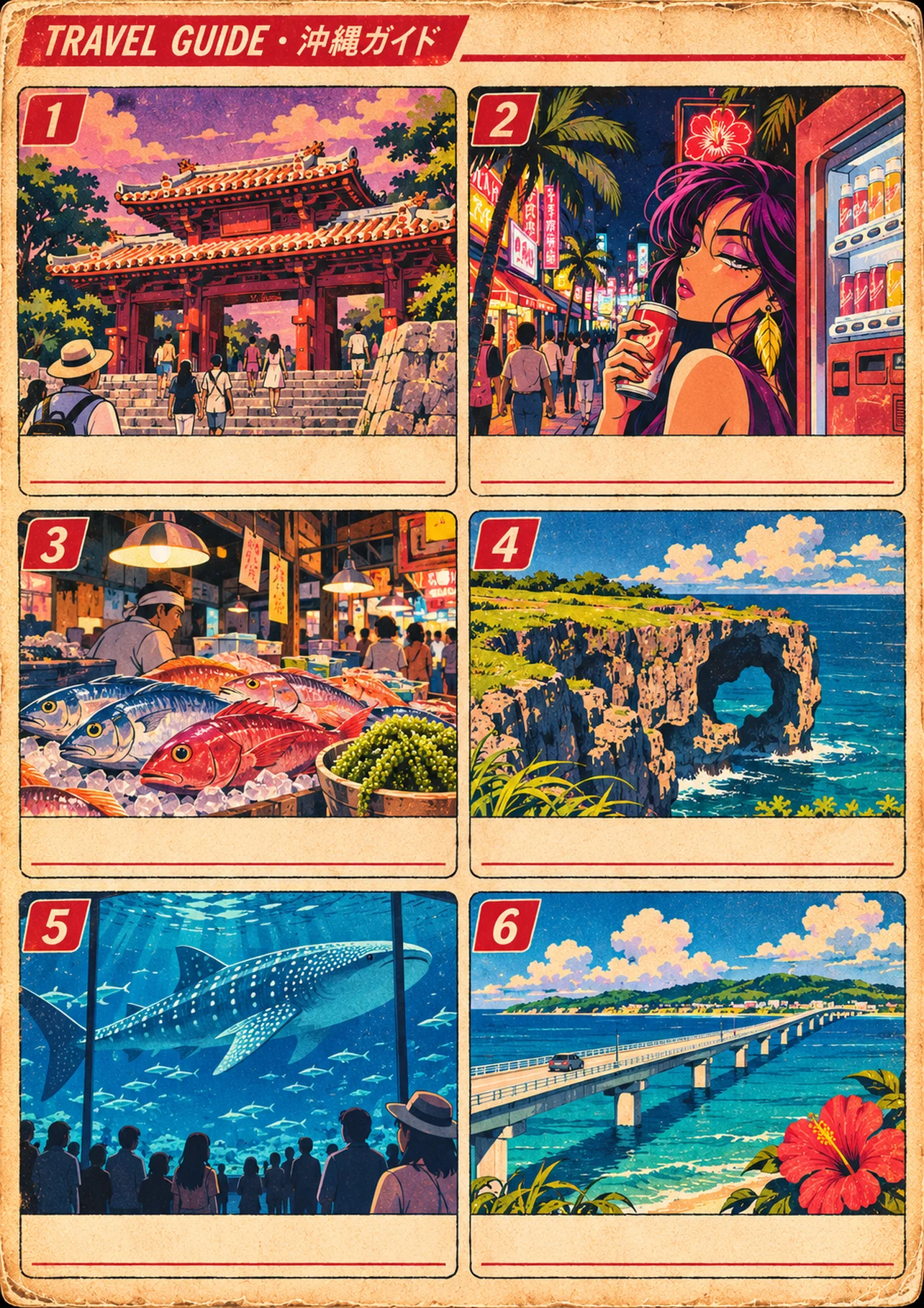
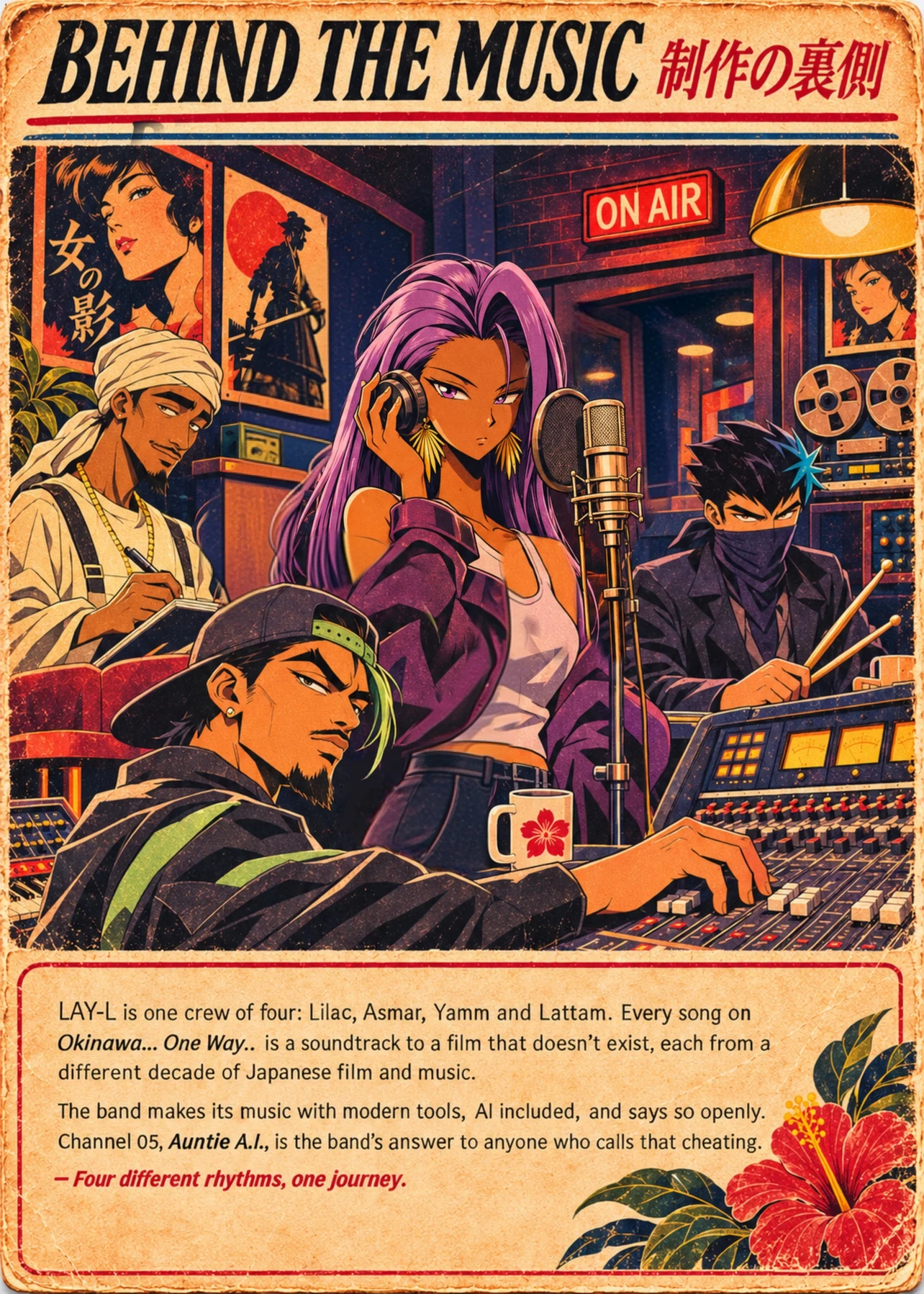
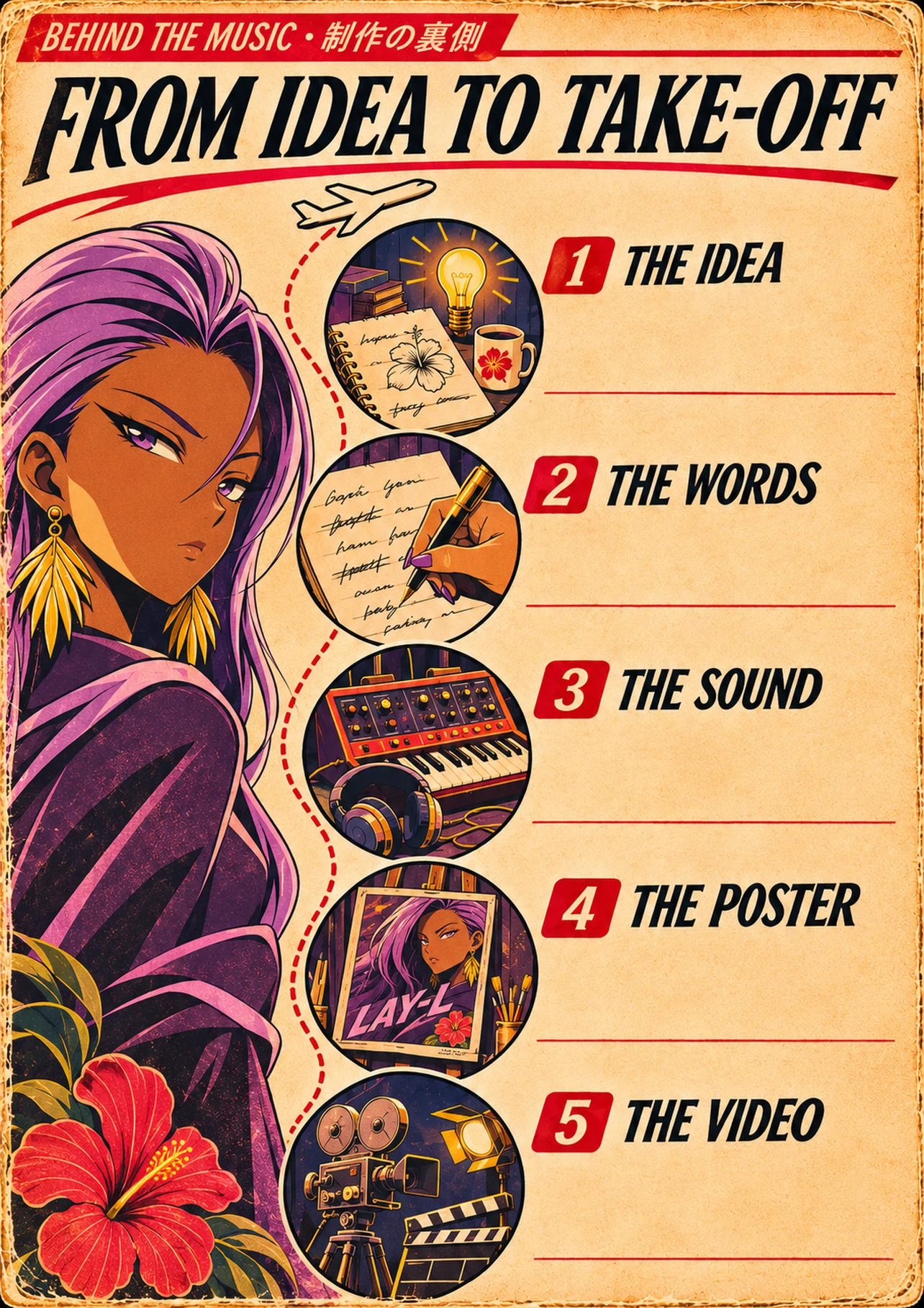
Every song starts as a small, true feeling: a missed call, a broken fridge.
Lyrics come first, rewritten until every line sounds like real speech.
Each song picks a decade and a genre from Japanese film and music.
Every track gets a poster for a film that doesn’t exist.
Storyboards and animation turn the poster into a music video.
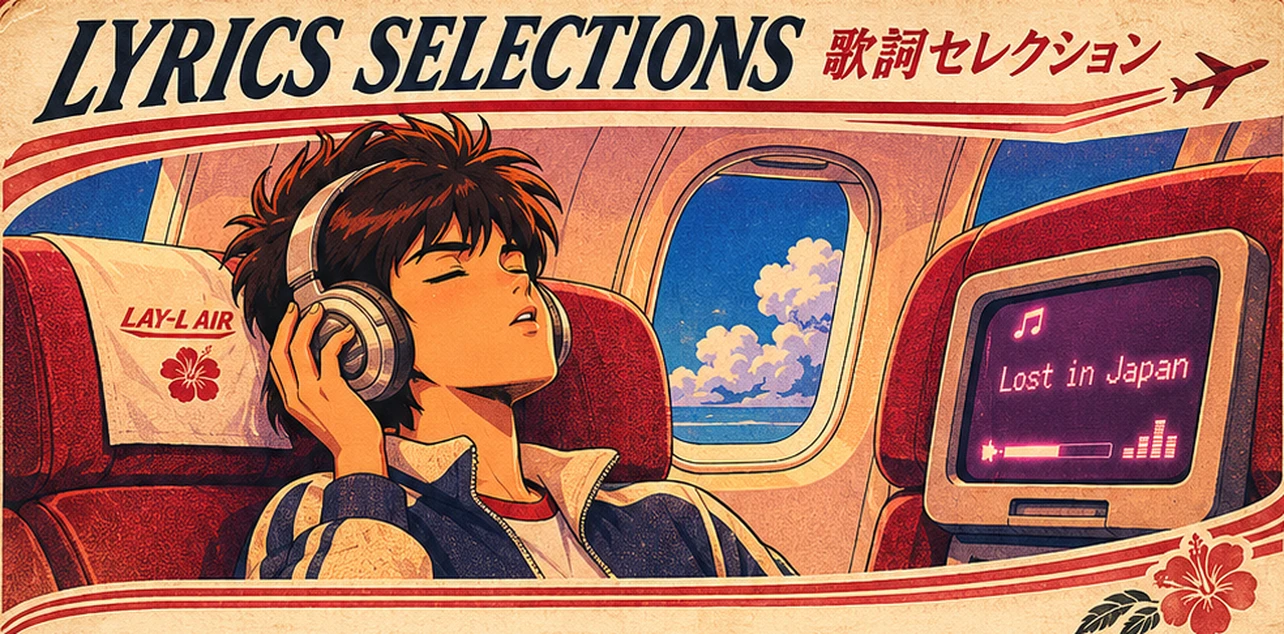
Tick-tock, running late / You still don’t know how to play the game
Cold rice and tempura / You were talking through the morning
Funny how a city you’ve never seen / Can feel familiar on the first night
There’s a little difference / Between what I can and what I choose
It can’t steal a soul that was never supplied / The vision is human the machine just replies
I watched a woman disappear / Who’d never lived at all
Who gave you permission to die? / You weren’t even alive!
I thought we were losing touch / Turns out I was the touch
Must be a pattern / Return to Saturn, return to sad-turn
Don’t get to the point / I prefer the scenic route
You like winter, cold like refrigerator / My bag is alligator
It comes to me in pieces / And leaves before it ends
You call it love but it’s luv with a u / You can’t call it love when it’s only you
Hocus pocus, can’t you see? / The only disappearing act is you leaving me
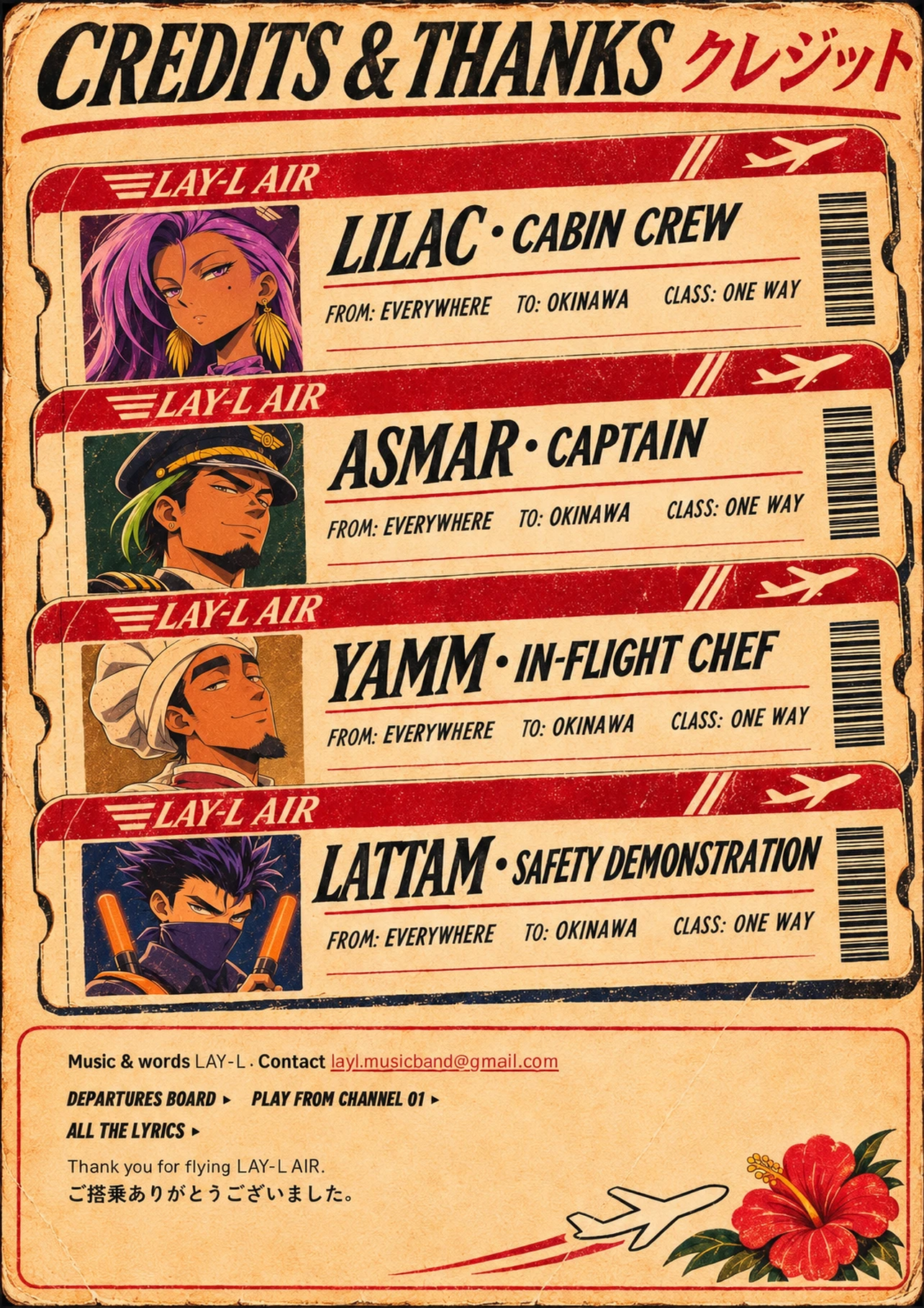
Music & words LAY-L. Contact layl.musicband@gmail.com.
Thank you for flying LAY-L AIR. ご搭乗ありがとうございました。